First Niger Bridge: Rehabilitation, Reopening and Political Controversy
Commentary: this article combines reporting with editorial analysis.
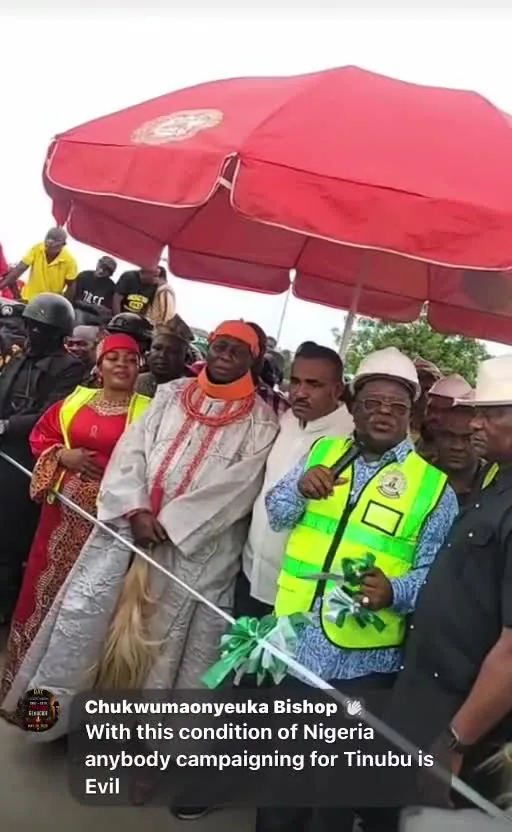
The First Niger Bridge, connecting Onitsha and Asaba, underwent emergency rehabilitation after years of deterioration and the vandalisation of critical structural components.
But the project has attracted controversy over its delayed completion, newly installed median barriers and the decision to decorate the bridge with President Bola Tinubu’s photographs.
Watch the supplied recording if Instagram does not load
1️⃣ A TWO-WEEK PROJECT THAT OVERRAN ITS DEADLINE
The Federal Government initially announced that the bridge would close from September 7 to September 21, 2026.
However, the reopening was postponed, with Minister of Works Senator Dave Umahi citing persistent rainfall, additional structural repairs and safety considerations.
The delay raises questions about the original project assessment, scheduling and the disruption suffered by motorists and businesses.
2️⃣ THE CONTROVERSIAL MEDIAN BARRIERS
The rehabilitation introduced median barriers to a bridge originally constructed without them.
Significantly, the Nigerian Society of Engineers (NSE), Onitsha Branch, raised concerns that the barriers reduced the effective carriageway width available to motorists.
This makes the publication of the engineering assessments and safety approvals supporting the modification an important matter of public interest.
3️⃣ TINUBU’S PHOTOGRAPHS ON THE BRIDGE
Umahi ordered the removal of unauthorised advertisements from the bridge while directing that President Tinubu’s photographs be displayed in recognition of the administration’s intervention.
This raises a legitimate question: Should public infrastructure be used to promote political leaders while other advertisements are restricted?
4️⃣ PETER OBI AND THE RIBBON-CUTTING CEREMONY
At the ribbon-cutting ceremony shown in the footage, Umahi reportedly turned his attention to former Anambra Governor Peter Obi rather than concentrating exclusively on the rehabilitation.
The decision to incorporate political commentary into an infrastructure event raises questions about the appropriate distinction between public service delivery and partisan politics.
The bridge was rehabilitated, not newly constructed. Its original commissioning dates back to 1965.
Ndi Anambra deserve transparent answers about the project’s final cost, safety certification, modifications and completion timeline.
What do you think about the ribbon-cutting ceremony and the changes made to the First Niger Bridge?
#AnambraSocials #FirstNigerBridge #DaveUmahi #AnambraNews #Infrastructure
Reopening, safety concerns and the published response
Punch reported that the bridge reopened on 15 October after the September closure. Its separate coverage also documented the display of political photographs. This confirms reopening and the displays, rather than a new bridge being built.
Anambra Daily’s account of an NSE Onitsha Branch communiqué following an October inspection reported concern about reduced carriageway width and emergency movement. The engineers also welcomed the rehabilitation. Their concerns are relevant professional scrutiny, but are not a published finding here that the bridge is structurally unsafe.
Voice of Nigeria’s reopening report records the minister’s explanation that the works included road-surface and security improvements, median barriers and designated turnaround points. That is the government’s stated rationale and should be read alongside the safety questions.
This commentary does not establish the final certified cost, a complete independent safety assessment or the full contents of the contract. Those documents would be needed to assess whether the modifications and programme met their stated objectives.
Sources and reporting basis
- Punch, 16 October 2026: reopening
- Punch, 15 October 2026: photographs on the bridge
- Anambra Daily, 6 October 2026: NSE branch communiqué
- Voice of Nigeria: minister’s explanation of upgrades
External reports provide the context identified above; they do not independently verify every statement in submitted footage.
Editorial update, 19 October 2026: Added reopening coverage, the engineers’ concerns and the government’s stated safety rationale; distinguished criticism from a structural-safety finding.
Categories: Roads and Infrastructure, Politics and Governance, Opinion
Related Articles
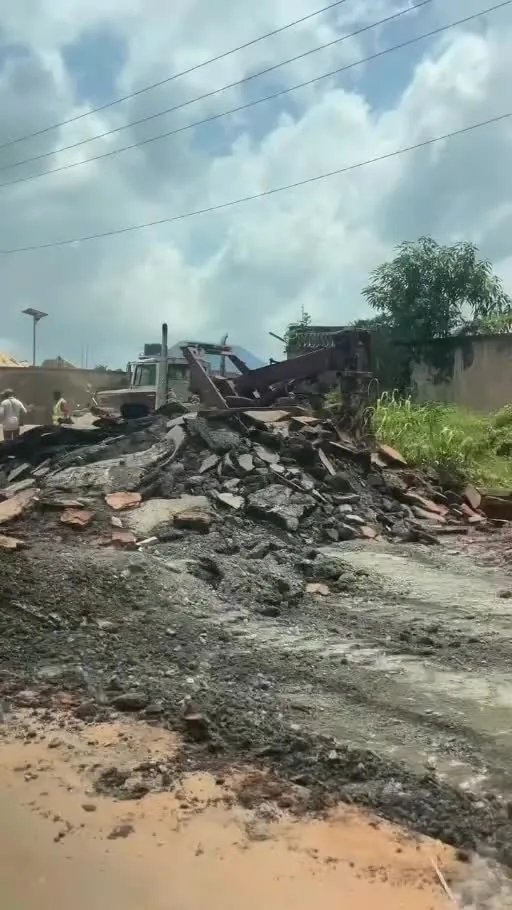
Agulu–Nnewi Road Undergoes Fresh Roadworks Amid Questions Over Quality and Durability
Footage shows machinery removing asphalt on Agulu–Nnewi Road amid concerns about road durability. A link to the Commissioner’s intervention remains unconfirmed.
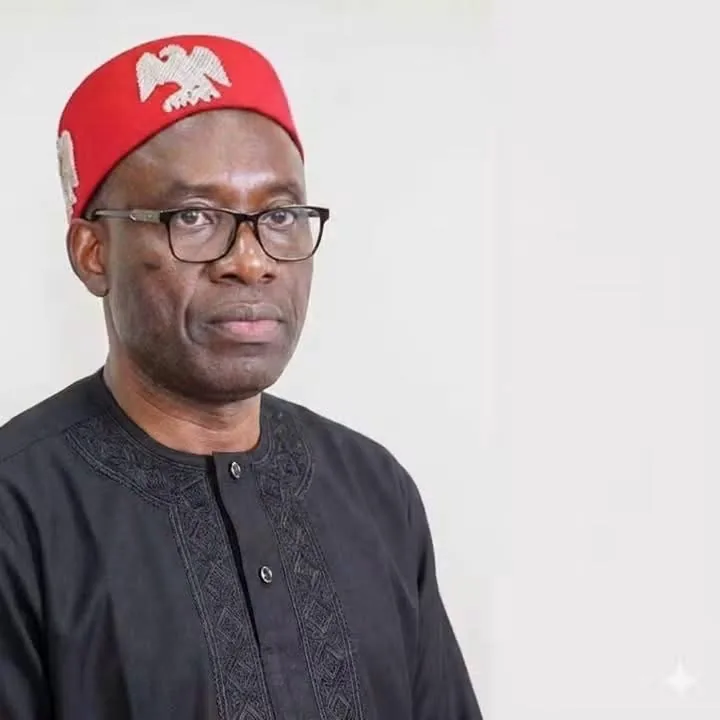
Kingsley Ubani Questions Soludo Family’s Business Links Outside Anambra, Calls for Greater Transparency
Kingsley Ubani questions Soludo family business links outside Anambra. We examine company records and distinguish verified details from political opinion.
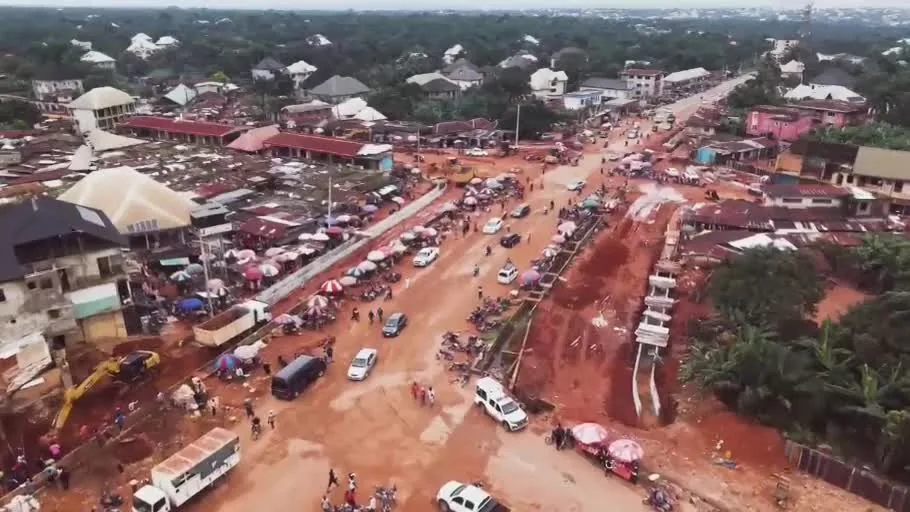
Nnobi Junction Expansion: Five-Lane Project Takes Shape at Afor Nnobi
Drone footage shows construction at Afor Nnobi Junction as Anambra expands the intersection, with traffic, drainage and compensation concerns in focus.