
Ezeobi Attributes Anambra Road Failures to Underground Water, Rainfall and Human Activities
News reporting
Featured media: Still from the supplied briefing excerpt, credited in the submission to ABS News / Chibuzo Obidike.
Watch video on its dedicated page
Anambra State Commissioner for Works and Infrastructure, Arc. Okey Ezeobi, has attributed failures on some recently constructed roads to heavy rainfall, underground water and saturated ground, while defending the quality of the administration’s infrastructure programme.
Speaking at a press briefing in Awka reported on 4 November, Ezeobi argued that damaged sections did not necessarily demonstrate poor materials or incompetent contractors. He also described some social media criticism of the government’s road projects as “politically motivated”.
Water, drainage and repairs
In the account supplied to Anambra Socials, Ezeobi cited underground water pressure and excessive rainfall as major factors affecting vulnerable road sections. He also pointed to blocked drainage, refuse disposal and heavy-duty vehicles, and acknowledged that construction errors could occur.
Anambra Daily’s report of the briefing describes planned repairs involving removal of failed asphalt, treatment of underlying soil, cement-stone stabilisation and relaying of the road surface. Ezeobi said the administration had awarded 908.044 kilometres of roads and asphalted 742 kilometres, with 143 road contracts awarded. These remain ministry figures, rather than totals independently audited by Anambra Socials.
The supplied account says more extensive repairs are planned ahead of the December festive season. The timetable and completion of individual repairs will require follow-up.
A discrepancy in the reported failure figures
The summary supplied with this report put failures at about 3% of the completed network. However, Anambra Daily and PUNCH’s coverage quote the Commissioner as saying failed portions totalled fewer than five kilometres. PUNCH also gives different overall road totals. These measures should not be treated as interchangeable. A published project register and a clear explanation of how defective sections were measured would help resolve the discrepancy.
Public scrutiny and engineering accountability
The briefing follows public concern over recently constructed roads, including our earlier reports on fresh work on the Agulu–Nnewi Road and the Commissioner’s instruction to contractors to address defects.
Ezeobi’s explanation provides the government’s position. Establishing the cause of failure at any particular site requires engineering evidence; neither visible damage nor the explanation at a press conference establishes that cause on its own.
There are still practical questions for the ministry and contractors: how did the original designs address groundwater and flooding, what testing informed those designs, and what quality checks will demonstrate that repairs are durable? Residents documenting road conditions also provide material that authorities can investigate, regardless of disagreements over political motives.
Source: Supplied briefing excerpt and report credited to ABS News / Chibuzo Obidike, with linked coverage for context. Anambra Socials did not locate the original ABS article during its source check and has not independently verified the ministry’s network statistics or site-specific engineering claims.
Categories: Roads and Infrastructure, Politics and Governance
Related Articles
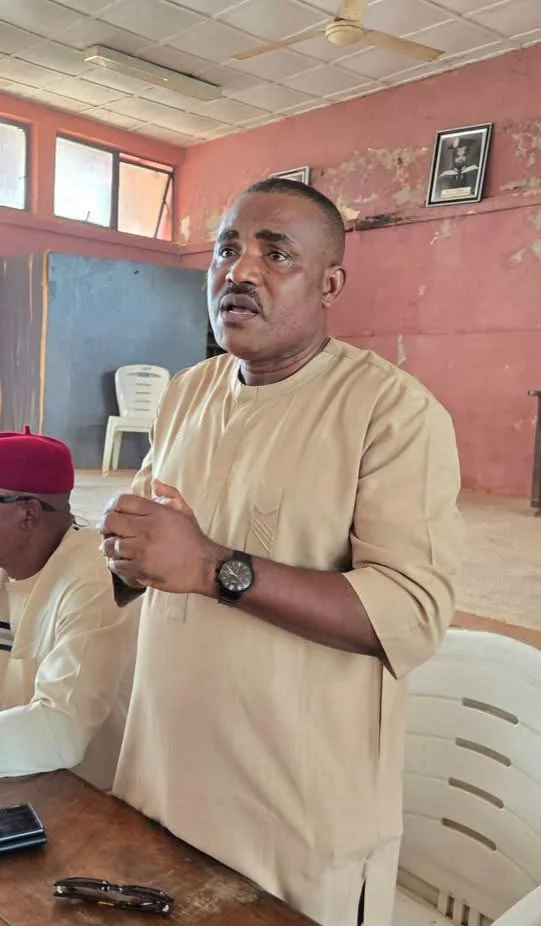
Kingsley Ubani Questions Okey Ezeobi’s Remarks and Anambra’s Road Record
In this opinion piece, Kingsley Ubani criticises remarks attributed to Anambra Works Commissioner Okey Ezeobi and questions the state’s road projects and Ekwulobia flyover timeline.

Soludo, Where Are the Trains? Anambra’s Unfulfilled Promises as Governor Turns Presidential Campaign Coordinator
Nnamdi Mezue examines Anambra’s outstanding railway, shopping mall, power, water, erosion, tourism and dry port commitments as Soludo takes on a presidential campaign role.
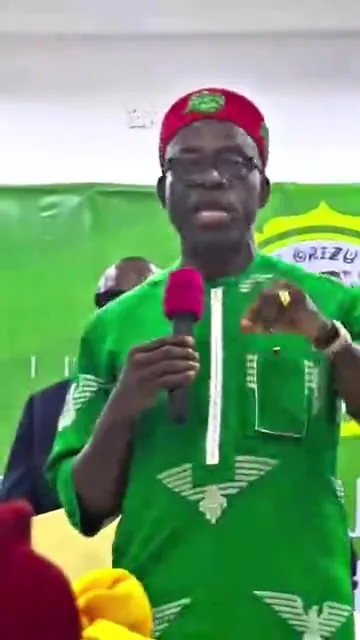
Soludo Cites Erosion and Federal Roads in Case for Tinubu’s Re-election
Soludo argues that federal cooperation could help Anambra address erosion and advance two proposed road corridors. Watch the supplied speech excerpt.