Anambra Works Commissioner Confronts Contractors Over Failing Roads, Orders Urgent Repairs
News reporting
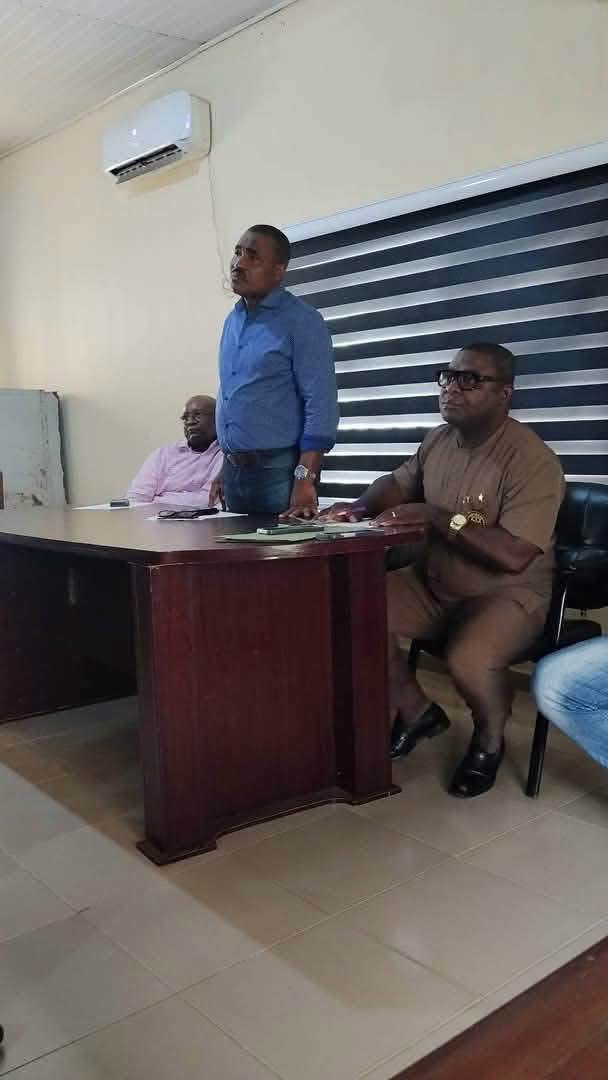
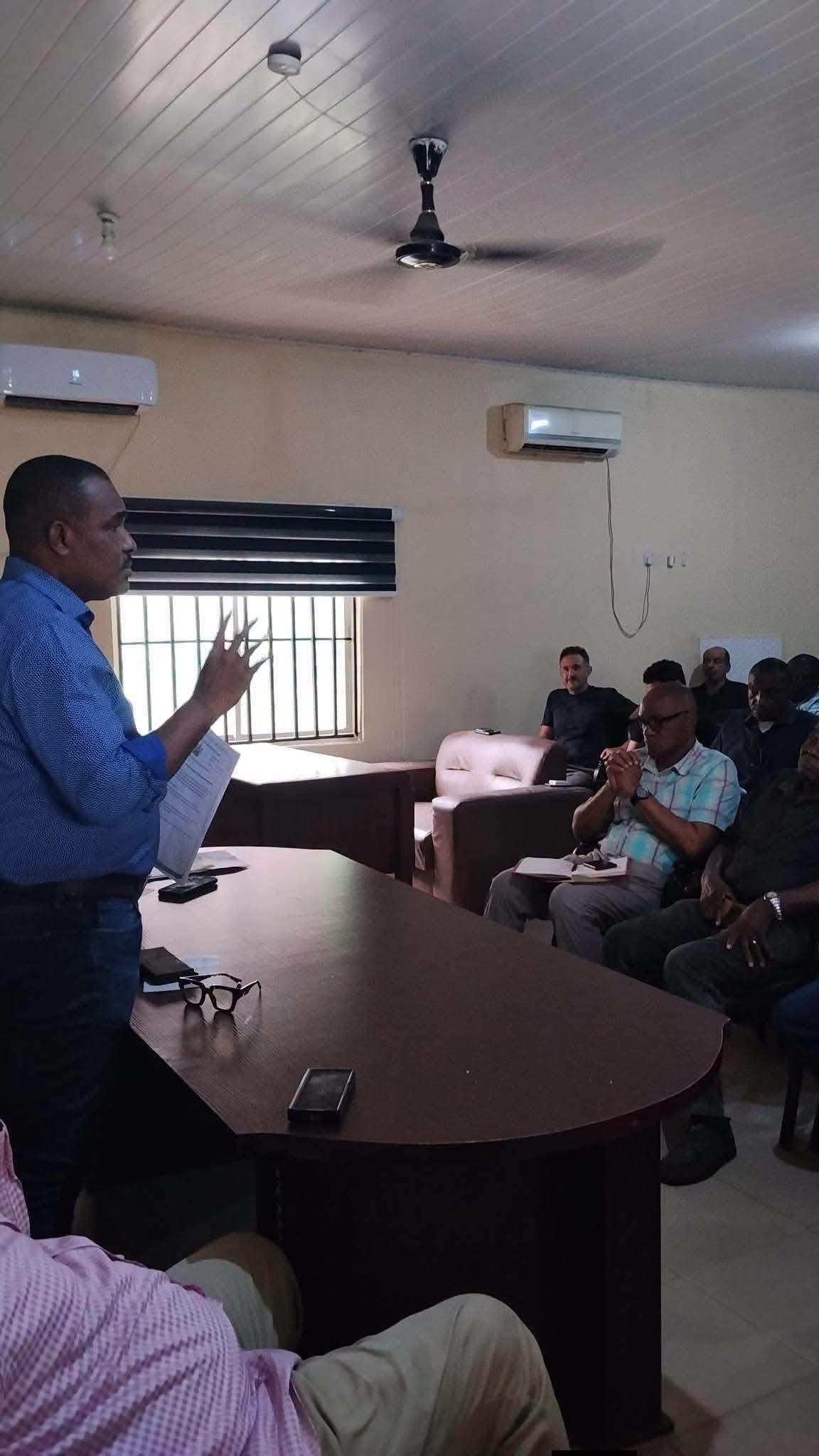
Featured media: Photo supplied with the report, showing a speaker addressing a meeting; original photographer not recorded.
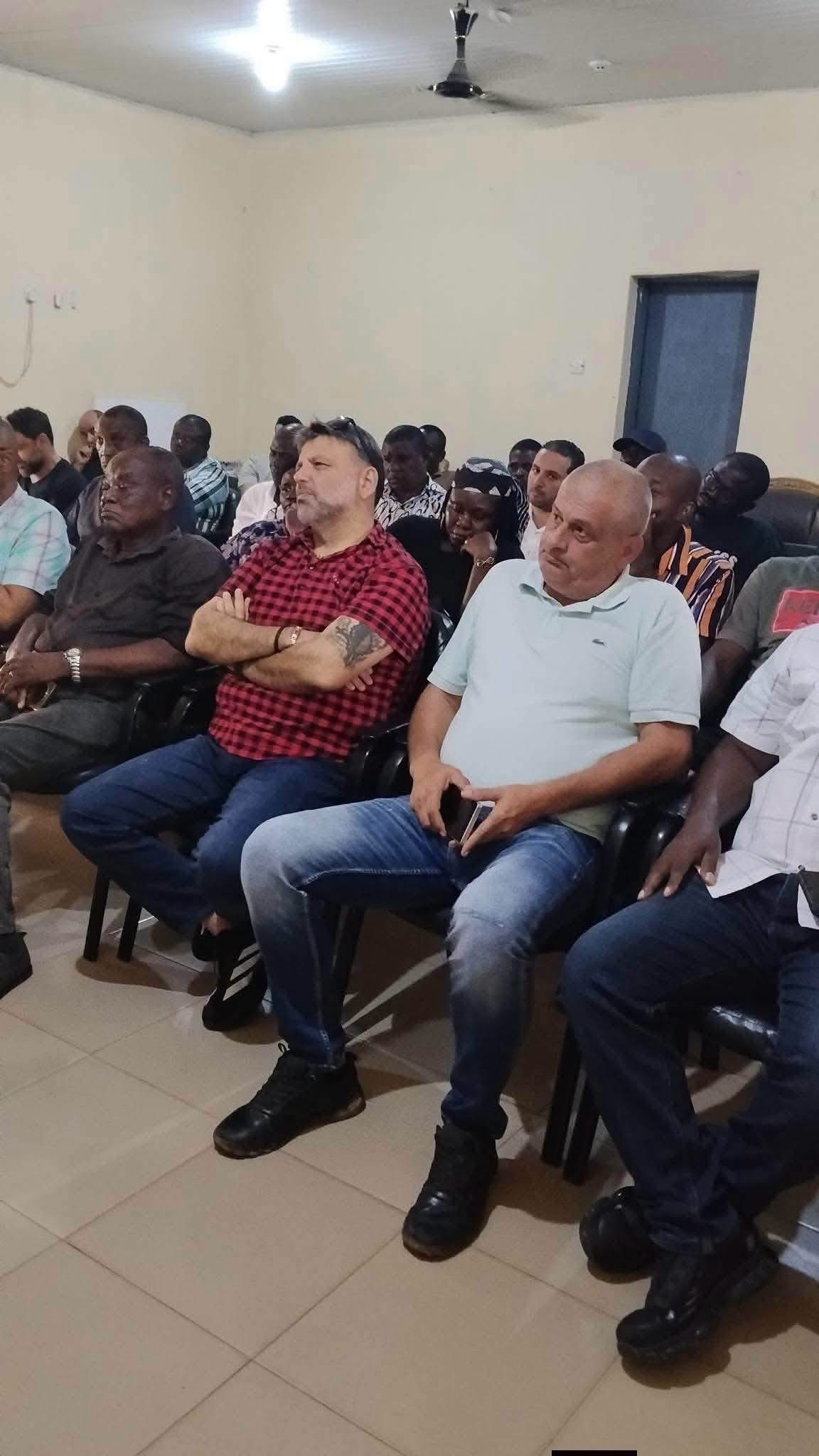
Anambra State Commissioner for Works and Infrastructure, Okey Ezeobi, has directed road contractors to inspect completed projects and repair defective sections following concerns about recurring failures.
The state government’s report of 15 October confirms the meeting and the call for corrective work. Independent Newspaper also reported the directive, placing the discussion within the administration’s stated commitment to durable roads.
Construction standards under scrutiny
The accounts identify asphalt quality, compaction, moisture control and material testing among the concerns raised. These were discussed as possible contributors to failure, not as completed forensic findings for every affected road.
The commissioner also reiterated the administration’s stated 20-year road guarantee. A political or public assurance should be distinguished from the specific defect-liability provisions, inspection requirements and remedies in each construction contract.
Projects raised in community reporting
Anambra Socials has previously highlighted deterioration and patching along the Agulu–Nnobi–Nnewi corridor, edge defects around the Oko–Aguluezechukwu–Ogboji area and residents’ concerns about drainage near Aguluezechukwu.
These accounts identify locations requiring examination. They do not, by themselves, establish the responsible contractor or the engineering cause of damage at every location.
New Telegraph’s October 2024 contract report put the 18.6-kilometre Nwagu Agulu–Nnobi–Nnewi lot at approximately ₦33.56 billion. That contract figure should not be confused with the cost of any individual repair now being observed.
What would demonstrate progress
The next useful evidence would be a list of inspected projects, recorded defects, the party responsible for remedial work and a completion timetable. A contractor returning to site is a development worth recording, but completion and quality require further evidence.
Anambra Socials’ Agulu–Nnewi follow-up includes footage of fresh work. The precise link between that work and the commissioner’s directive remains unconfirmed.
The public-interest test is whether the repairs deliver durable access and whether responsibility and costs are explained transparently.
Sources and reporting basis
- Anambra State Government, 15 October 2026: contractors’ meeting
- Independent Newspaper, 15 October 2026: repair directive
- New Telegraph, October 2024: contract award and lot value
External reports provide the context identified above; they do not independently verify every statement in submitted footage.
Editorial update, 19 October 2026: Recast as a sourced report, separated possible causes from findings and clarified the contract figure and unresolved project-specific responsibilities.
Categories: Roads and Infrastructure, Politics and Governance
Related Articles
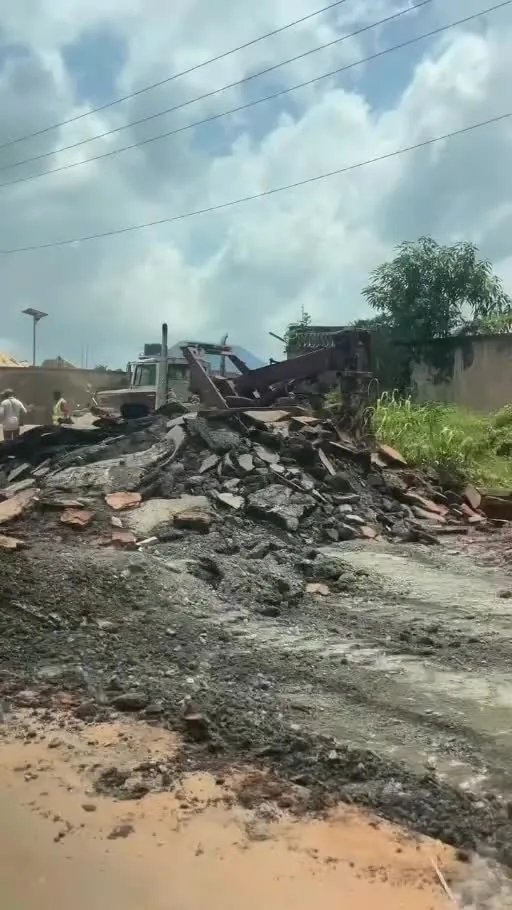
Agulu–Nnewi Road Undergoes Fresh Roadworks Amid Questions Over Quality and Durability
Footage shows machinery removing asphalt on Agulu–Nnewi Road amid concerns about road durability. A link to the Commissioner’s intervention remains unconfirmed.
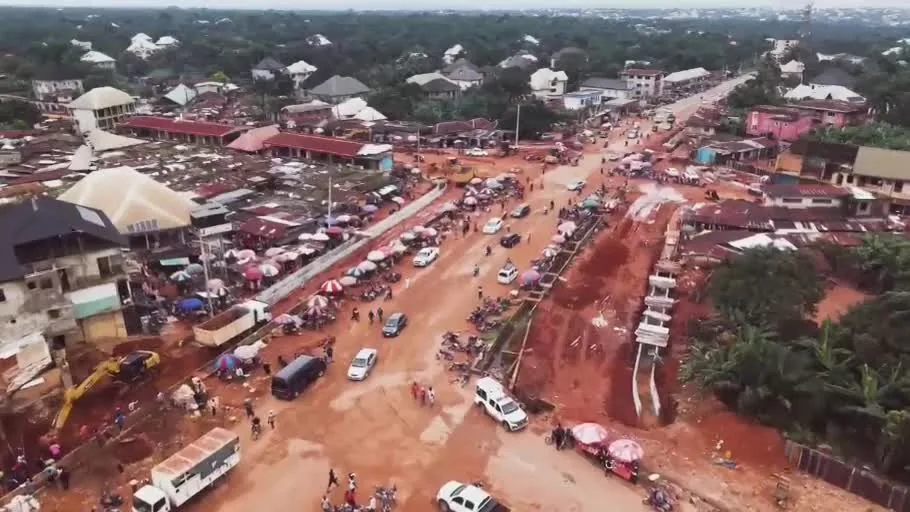
Nnobi Junction Expansion: Five-Lane Project Takes Shape at Afor Nnobi
Drone footage shows construction at Afor Nnobi Junction as Anambra expands the intersection, with traffic, drainage and compensation concerns in focus.
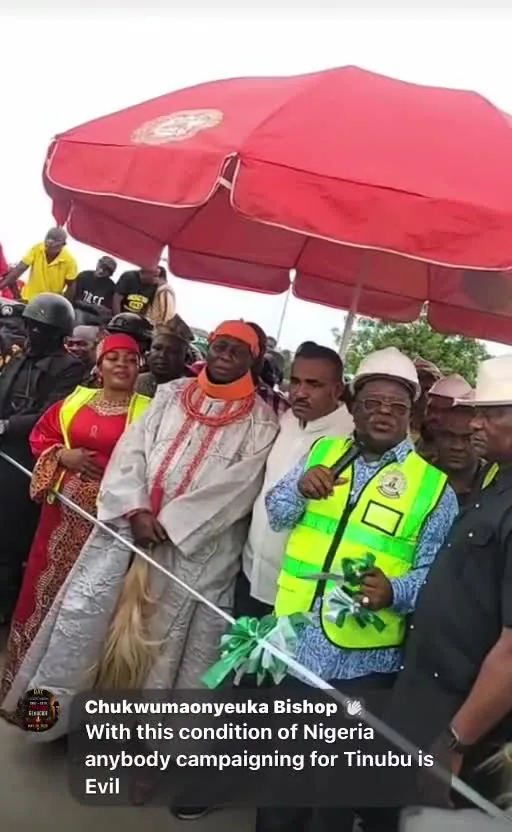
First Niger Bridge: Rehabilitation, Reopening and Political Controversy
Commentary on the First Niger Bridge rehabilitation, delayed reopening, median barriers, Tinubu photographs and Dave Umahi’s ribbon-cutting ceremony.