
ARTMA Encounter With Motorist Raises Questions About Enforcement Evidence
Community report: includes residents’ accounts; attribution and verification notes appear in the article.
Featured media: Still from the supplied video. The account identifies the personnel as ARTMA officials; exact date and location are unverified.
Watch video on its dedicated page
A supplied video of a roadside confrontation involving people identified as ARTMA personnel has prompted fresh questions about how traffic offences are explained and documented before enforcement action is taken.
The account accompanying the footage says the motorist was trying to join a highway from a service lane when officials blocked the vehicle. The video shows people in yellow uniforms gathered around a white vehicle, with another vehicle close in front of it, as members of the public look on.
The clip does not establish the complete driving sequence before the encounter, the applicable signs or restrictions, or the reason given for stopping the driver. Anambra Socials has not established a specific traffic offence from the supplied material. That limitation does not establish that the motorist complied with every applicable rule.
ARTMA’s published evidence policy
An Anambra State Government report published on 28 August 2026 describes an ARTMA advisory issued the previous day. It says officers are not authorised to impound vehicles for traffic offences without clear video evidence and advises motorists to request documentation of the alleged offence.
The advisory also tells drivers to have enforcement matters processed at an official ARTMA office, avoid roadside payments and check the official penalty list where a fine applies. It recommends recording officers’ names and identification details when making a complaint. These are the agency’s published instructions; this report does not present the advisory as a quoted provision of a traffic statute.
Questions the encounter leaves unanswered
What offence was alleged? Was it recorded on video, and was it explained to the driver? Did the encounter result in a formal impoundment, warning or other action? The supplied clip does not resolve these questions, and this report does not claim that a completed impoundment occurred.
Clear signs, visible road markings and consistent explanations would help drivers understand the rules and enforcement decisions. Warnings and education may also be appropriate in some circumstances, but no general first-offender exemption has been established in the material reviewed for this article.
Anambra Socials calls on ARTMA to explain this encounter and the procedure its personnel followed. The supplied material does not include the agency’s response to this specific incident. No direct outreach or refusal to comment is claimed.
The report follows our earlier coverage of a motorist’s allegation that his vehicle was impounded after a breakdown. That is a separate complaint and does not prove misconduct in this encounter.
Source: Supplied roadside footage and accompanying account, with ARTMA’s published advisory linked for context. Anambra Socials welcomes verifiable information about the incident and will update the report if further evidence or an official response becomes available.
Categories: Community Voices, Roads and Infrastructure
Related Articles
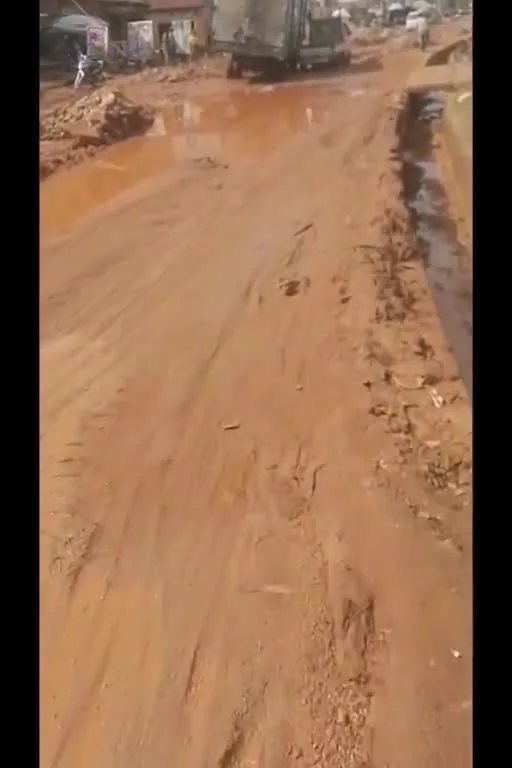
Nnewi Deserves Better Roads: Resident Raises Concerns at Okpunoeze Bus Stop
A resident questions road conditions near Okpunoeze Bus Stop towards Oba Junction, calling for infrastructure that reflects Nnewi’s economic importance.
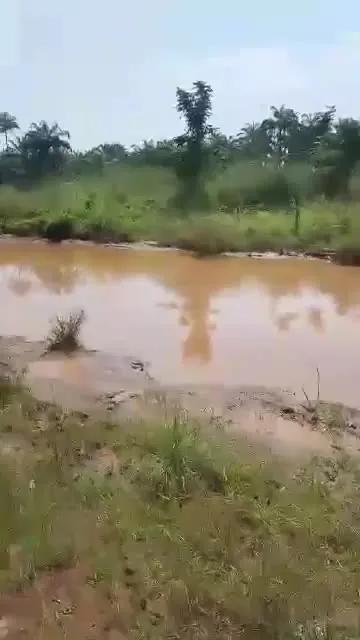
Dangerous State of Akazi/Osoakwa Road in Ihiala Raises Concerns Over Schoolchildren’s Safety
Concerns over Akazi/Osoakwa Road near Umueze Community Primary School prompt calls for urgent repairs and safety measures to protect pupils and pedestrians.
Nnewi Market Access-Road Project Raises Concerns Over Reported Shop Demolitions
Official records confirm access-road works at Agbọ Edo market. AnaedoTV reports about 80 shop demolitions, a figure and circumstances not independently confirmed.